




Sound absorption
s the loss of sound energy when sound waves comes into contact with an absorbent material such as ceilings, walls, floors and other objects, as a result of which, the sound is not reflected back into the space.
Sound absorbent materials can be used to create a suitable acoustic environment within a space by reducing the ‘reverberation time’. Reverberation affects the way a space 'sounds'. A long reverberation time can make a room sound loud and noisy and causes speech to sound muffled and muddy. Rooms designed for speech therefore typically have a short reverberation time of less than 1 second. Conversely, a longer reverberation time can enhance a music hall by adding richness, depth and warmth to music.
Sound absorption can be a particularly important factor for spaces such as:
Generally, sound absorption is applied in the form of treatment to floors, walls, ceilings, partition surfaces and objects such as chairs or bookshelves. The use of sound absorbing screens is also becoming more common.
Sound absorbers can be divided into three main categories:
- Porous absorbents.
- Resonance absorbents.
- Single absorbents.
Porous absorbents conventionally take two forms; fibrous materials or open-celled foam. Fibrous materials absorb sound as sound waves force the fibres to bend and this bending of the fibres generates heat. The conversion of acoustic energy into heat energy results in the sound effectively being absorbed. In the case of open-celled foam, the air movement resulting from sound waves pushes air particles through the narrow passages which in turn generate a viscous loss along with heat.
Usually a materials thickness has the greatest impact on its sound absorbing qualities. The thickness of materials can be compensated for with air space behind a wall panel or acoustic ceiling to improve performance at lower frequencies.
It is generally better to not include an airtight layer on the surface, such as a vapour barrier or paint layer, as this may reduce the sound absorbing qualities. However, architecturally, fibrous materials and open celled foams are not always considered attractive or robust. It is common therefore to cover these materials with an acoustically transparent finish such as a tissue, cloth or slatted wood, or with perforated materials such as wood, metal, plasterboard and so on.
Resonance absorbents consist of a mechanical or acoustic oscillation system, such as membrane absorbers, where there is a solid plate with a tight air space behind. Absorption reaches its maximum at the resonance frequency. The cavity can be filled with a porous material, to broaden the absorption over the range of frequency.
Single absorbers can be tables, chairs or other objects.
The sound absorbing characteristics of acoustical materials varies significantly with frequency. Low frequency sounds, below 500 Hz, tend to be more difficult to absorb whereas high frequencies sounds, above 500 Hz, are easier to absorb.
A material's sound absorbing properties can be expressed by the sound absorption coefficient, alpha, as a function of frequency. Alpha ranges from 0 (total reflection) to 1.00 (total absorption).
NB: Sound absorption is not the same as sound insulation which is used to prevent sound travelling between separate spaces across a partition such as a wall, ceiling or floor. Sound absorbing materials can convert some of the absorbed sound energy into heat, rather than transmitting it, which improve sound insulation, but it should not be seen as a substitute for adequate sound insulation.
[edit] Related articles on Designing Buildings Wiki
- Acoustics in the workplace.
- Airborne sound.
- Ash deafening.
- Audio frequency.
- BSRIA Noise in the built environment TG 20/2021.
- Building acoustics.
- Building Bulletin 93: acoustic design of schools.
- Decibel.
- Impact sound.
- Noise nuisance.
- Pre-completion sound testing.
- Reverberation time.
- Robust details certification scheme.
- Room acoustics.
- Sound absorption coefficient.
- Sound insulation.
- Sound reduction index (SRI).
- Sound v noise.
- Structure-borne sound.
- UKAS accreditation for sound absorption testing.
IHBC NewsBlog
IHBC sponsors Gardens Trust event 23-4 Sept 2026
.jpeg)
'Learning from the Past, Shaping the Future’ takes place in Milton Keynes
Renovations to Frank Lloyd Wright's Fallingwater complete
.jpg)
World Heritage Preserved project opens house for tours again
Shakespeare Birthplace Trust places Hall's Croft on HAR Register
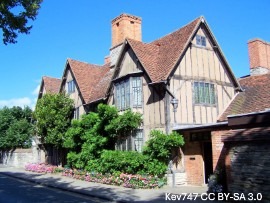
Stratford-upon-Avon home of Shakespeare's daughter is 'At Risk'
Lady Grange’s House repaired on St Kilda
.jpg)
National Trust for Scotland repairs stone cleit with link to famous island resident
Griff Rhys Jones on BBC Radio 4 Today programme
,_Green_Lane,_Derby.jpg)
The Victorian Society’s President unveiled its latest Top Ten Endangered Buildings 2026.
Need a MATE? Book your place now.
IHBC offers free webinars on applying for IHBC accreditation (Full & Associate).
UK Stained Glass Repository finds windows new homes

How are stained glass windows are rescued, stored and repurposed?
APPGEBE report sets high aims for quality
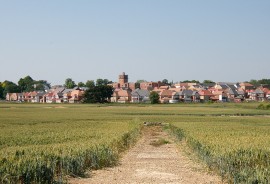
'Government must not sacrifice quality in drive to build 1.5m homes'
New measures protect Historic Shipwrecks from heritage crime

Underwater cultural heritage benefits from new HE guidance
How could the City of London skyline look in 6 years' time?

Visualisation shows approved planning applications as completed buildings
National Trust for Scotland calls for VAT cuts
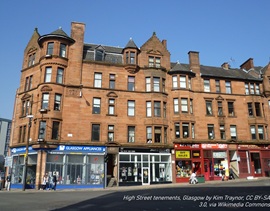
Heritage neglect is encouraged by current policies
IHBC's 'Context' Issue 186 features Industrial Heritage

IHBC's members' journal reports on the challenges of conserving infrastructure
Book now for IHBC Annual School 2026
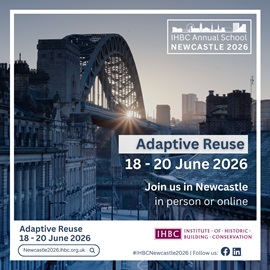
IHBC Annual School is taking place 18-20 June 2026 in Newcastle
RICHeS Research Infrastructure offers ‘Full Access Fund Call’

RICHeS offers a ‘Help’ webinar on 11 March
Latest IHBC Issue of Context features Roofing
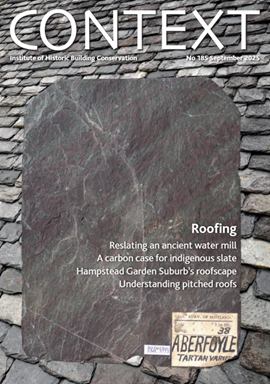
Articles range from slate to pitched roofs, and carbon impact to solar generation to roofscapes
Three reasons not to demolish Edinburgh’s Argyle House

Should 'Edinburgh's ugliest building' be saved?
IHBC’s 2025 Parliamentary Briefing...from Crafts in Crisis to Rubbish Retrofit
IHBC launches research-led ‘5 Commitments to Help Heritage Skills in Conservation’
How RDSAP 10.2 impacts EPC assessments in traditional buildings

Energy performance certificates (EPCs) tell us how energy efficient our buildings are, but the way these certificates are generated has changed.